
Introduction
Turning paid ads into profit is still one of the most reliable ways to build scalable, predictable growth in a digital marketing strategy. When a paid media strategy is dialed in, paid advertising delivers a steady stream of new customers without relying solely on organic search engine results, social media algorithm changes, or unpredictable referral spikes. Paid media can generate results almost instantly and can be scaled to meet marketing goals at any time.
Digital advertising spend reached hundreds of billions of dollars in 2024 and continues to grow as more brands invest in paid media campaigns to increase brand awareness, drive website traffic, and convert qualified leads into customers. Paid media campaigns can be tailored to fit any budget, allowing for quick results and immediate traffic generation.
But that raises three important questions for any business:
- Which marketing channels and ad formats are right for your brand?
- How do you connect those media campaigns into a coherent marketing funnel?
- What should you track to know if your ad spend is actually profitable?
This guide walks through the fundamentals of paid media, the main ad types and channels, key paid media KPIs, and a step-by-step framework to build a high-ROI digital marketing campaign. Effective paid media strategies involve defining clear objectives, targeting the right audience, and continuously monitoring and optimizing campaign performance.
Key Takeaways
- Paid media is any form of paid advertising that appears on platforms you do not own, such as Google Ads, LinkedIn ads, Facebook sponsored posts, display advertising units, and influencer partnerships.
- The three core media types are display ads (banner ads and video ads that stand out visually), native ads (sponsored content that blends into social media posts or editorial content), and traditional advertising (billboards, TV, radio, and print)
- Search ads and influencer marketing are among the most trusted ad formats because they either reach people who are actively searching or leverage trust built by influencers with their audience.
- A profitable paid media strategy follows seven steps: align internal stakeholders, set specific marketing goals, define realistic budgets, deeply understand your target audience, choose the right channels, create compelling ad creative, and continuously optimize campaign performance.
- Focus on five essential paid media KPIs: return on ad spend (ROAS), overall return on investment (ROI), cost per click (CPC), impressions, and click-through rate (CTR). Together they reveal whether a paid or ad campaign is generating profit or simply burning budget. Paid media offers in-depth analytics to track campaigns and measure return on investment (ROI).
Paid Media Basics
Paid media is any promotional content that meets two criteria:
- It appears on a third-party platform you do not own (for example, a news site, social network, search engine, or streaming platform).
- You pay to place it there via some form of pay per click, cost per impression, or other cost-per-based model.
Think of banner ads at the top or within an article, sponsored social media posts in your feed, or search ads at the top of a search engine results page.
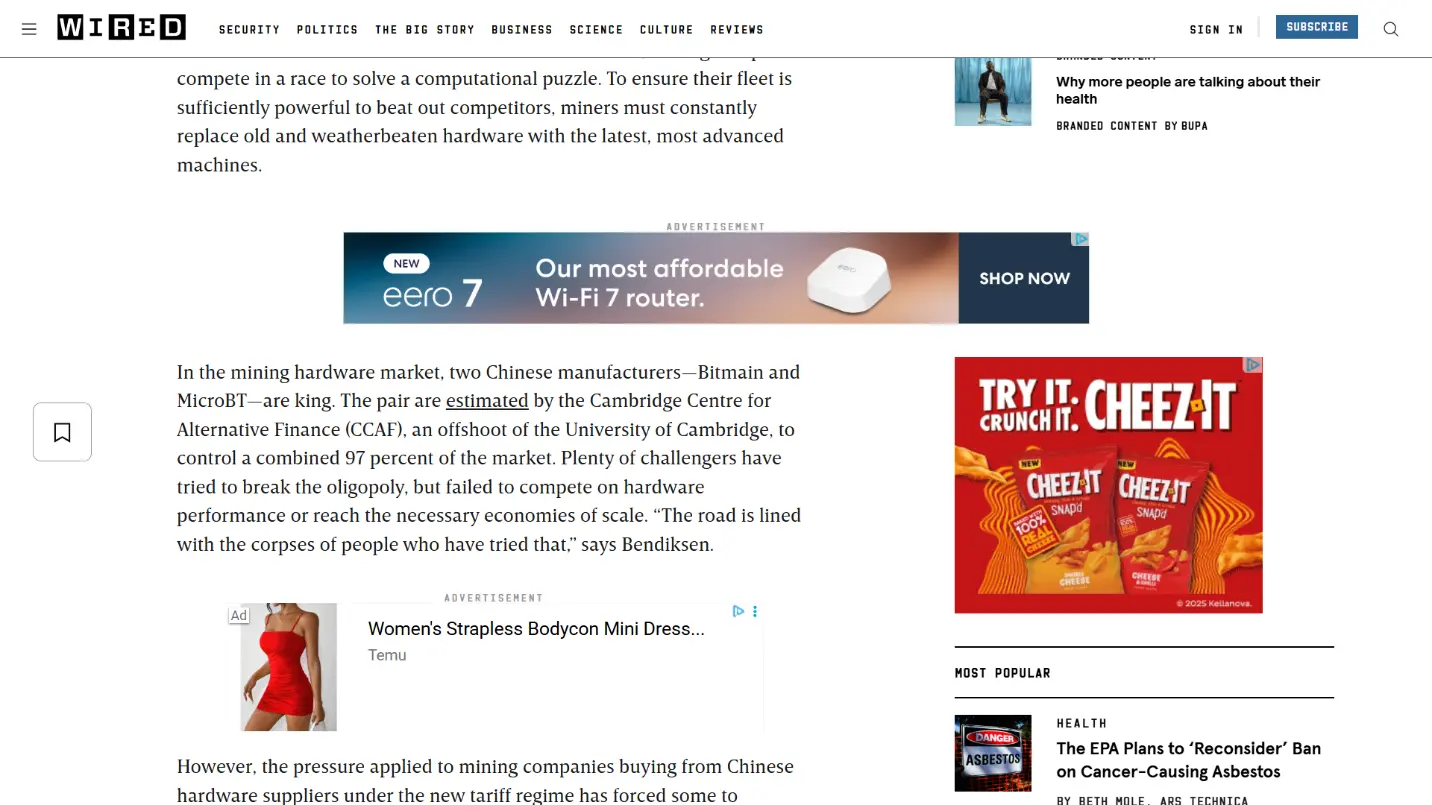
These paid ads can be run by startups and global enterprises alike. Across company sizes, paid media offers a meaningful share of total revenue when integrated into a strong digital strategy and broader marketing efforts.
Paid media is especially powerful when the keywords relevant to your product, your target customers, and the ad types you choose are tightly aligned with your business goals and marketing strategy.
Paid Media vs. Earned Media vs. Owned Media
Think of your marketing as a three-legged stool supported by:
- Paid media
- Earned media
- Owned media
Balancing all three ensures your digital marketing strategy can scale while covering gaps in visibility, trust, and control.
Paid Media
Paid media includes any ad unit or placement that you pay for on external platforms:
- Paid search and search engine marketing (SEM) on platforms like Google and Bing
- Social media advertising across Facebook, Instagram, TikTok, LinkedIn, and more
- Display advertising (banner ads, retargeting units, programmatic placements)
- Video advertising (YouTube pre-roll, in-stream video ads, CTV/OTT ad formats)
- Sponsored content, influencer partnerships, and advertorials
You get complete control over targeting, timing, and messaging within the rules of the ad platform, as long as you are willing to pay the associated ad spend.
Earned Media
Earned media is exposure you don’t pay for directly. It includes:
- Mentions in news articles and industry publications
- Social media mentions, reposts, and shares
- Backlinks from other websites
- User-generated content and customer reviews
This is essentially what others say about you. Strong earned media builds authority and trust that supports your marketing campaigns and makes your paid media campaigns more believable and effective.
Owned Media
Owned media refers to assets you fully control, such as:
- Your website and blog
- Your landing page experiences
- Brand newsletters and email list
- Your own social media profiles and organic social media posts
With owned media, you manage content, user experience, and messaging from end to end. It’s the foundation that supports both organic search performance and conversions from paid traffic.
How They Work Together
- Paid media accelerates visibility, getting you in front of potential customers fast.
- Owned media nurtures those visitors with valuable content and optimized landing experiences.
- Earned media amplifies both by validating your brand through third-party voices.
The strongest digital marketing systems leverage all three: paid gets attention, owned keeps it, and earned multiplies it.
Categories and Examples
Paid media continues to evolve rapidly. Core channels like search engine marketing, social media advertising, video ads, and display advertising are now table stakes, while new ad formats, such as placements inside large language models, are emerging.
Despite this evolution, most formats fall into three main categories.
Display Advertising
Display ads are visually distinct ad types—image, video, or rich media—that appear alongside content on the web or in apps. Common examples include:
- Header banner ads on news sites
- Inline display units within articles
- Interstitial ads that appear between pages
- Video ads in a player sidebar or pre-roll
Display advertising is ideal for brand awareness, top-of-funnel exposure, and retargeting visitors who have already interacted with your site or app.
Native Ads
Native ads are promotions designed to match the look, feel, and format of the surrounding content. Examples include:
- Sponsored articles and advertorials on publisher sites
- Sponsored content sections in newsletters
- Influencer posts and influencer marketing collaborations
- “Recommended by” units or branded content modules
Because native units blend into editorial and valuable content, they can feel more natural and less disruptive, especially when aligned with the target audience and their interests.
Traditional Media
Traditional advertising includes:
- TV and radio spots
- Print ads in magazines and newspapers
- Billboards and out-of-home signage
- Direct mail
While these media types generally offer less precise audience targeting and fewer digital-style analytics, they still play a major role in large-scale brand awareness campaigns and can drive searches, direct traffic, and offline conversions.
With the categories in mind, let’s look at the specific marketing channels and ad formats most brands use today.
Search Engine Advertising (Search Engine Marketing)
Search engine marketing (SEM) focuses on search ads on platforms like:
- Google Ads
- Bing Ads (Microsoft Advertising)
- Yahoo and other search networks
- Retail search engines like Amazon for product-heavy brands
In SEM, advertisers bid on specific keywords and search terms. When users are actively searching for something—like “gardener in Arizona”—your paid search ad can appear above organic search results, often ahead of competitors.
A typical search engine ad campaign looks like this:
- Open an ad account with a search platform (e.g., Google Ads or Bing Ads).
- Select keywords relevant to your product or service that your target customers are actively searching for.
- Set maximum bids or use automated bidding for those keywords.
- Write concise, compelling text ads aligned with search intent.
- Launch the ad campaign and allow the platform to serve ads on relevant search engine results pages.
The power of SEM is intent. Searchers are often already in the sales funnel and closer to buying, downloading, or requesting a demo. When a user’s ad click matches their intent and leads to a strong landing page, conversion rates and qualified leads tend to be higher.
Third-Party Banner Ads
Third-party banner ads are display units shown on websites, mobile apps, or other digital properties that your brand does not own.
They can appear:
- At the top of a page (leaderboards)
- In the sidebar
- Inline within content
- As responsive units on mobile
Even though research regularly shows that banner formats are less trusted than search ads or influencer marketing, they still play a major role in marketing campaigns focused on brand awareness and reminder touchpoints. Repeated exposure helps potential customers remember a brand; many people need to see a message multiple times before taking action.
The Google Display Network is a good example: it spans millions of sites and apps and can reach a majority of global web users. When someone clicks a display ad, the associated ad spend is shared between Google and the publisher hosting the ad unit.
Banner-based digital advertising can be especially effective for retargeting users who have visited your site but have not yet converted.
Paid Social Media Advertising
Social media advertising is one of the largest segments of digital advertising, driven by platforms like:
- Facebook and Instagram
- TikTok
- X (Twitter), Pinterest, Snapchat, and others
Billions of people spend time on social media every day, and nearly 60% of the global population has at least one social account. That makes social networks an essential part of modern digital marketing and media campaigns.
Examples of social ad formats include:
- Sponsored feed posts
- Story ads
- Carousel ads
- Lead generation forms
- In-feed video advertising
Social platforms provide sophisticated audience targeting options based on demographics, interests, behavior, job title, and more. This allows marketers to reach very specific segments of their customer base, from niche B2B roles on LinkedIn ads to mass-market consumers on Instagram or TikTok.

Because social networks are so crowded, ad fatigue is a real risk. Rotating ad creative, testing new messaging, and refreshing visuals frequently is essential to maintain a healthy click through rate and engagement.
Video Advertising
Video advertising continues to outperform static text and images for engagement. Short-form and long-form video ads account for a substantial share of online interactions across platforms like:
- YouTube
- Facebook and Instagram Reels
- TikTok
- CTV and OTT streaming services
Video ads often appear before, during, or after content users are already watching. They stand out thanks to motion, audio, and storytelling, making them powerful tools for brand awareness, education, and moving people through the marketing funnel.
Strong video ad creative:
- Grabs attention in the first few seconds
- Clearly communicates a benefit
- Connects emotionally or intellectually with the target audience
- Leads viewers to a relevant landing page or next step
Video fits well across both upper-funnel and lower-funnel media types, as long as the messaging aligns with where the viewer is in their journey.
In-App Ads
In-app ads are paid placements inside mobile applications—games, news apps, utilities, streaming services, and more. Formats include:
- Banner units
- Interstitial takeovers
- Rewarded video ads
- Native placements inside feeds
Audio advertising allows brands to reach audiences in a captive and engaging environment, particularly through podcasts and music streaming services.
- Banner units
- Interstitial takeovers
- Rewarded video ads
- Native placements inside feeds
These work particularly well when your target customers spend significant time inside apps and when you can use behavioral or location-based first party data for audience targeting.
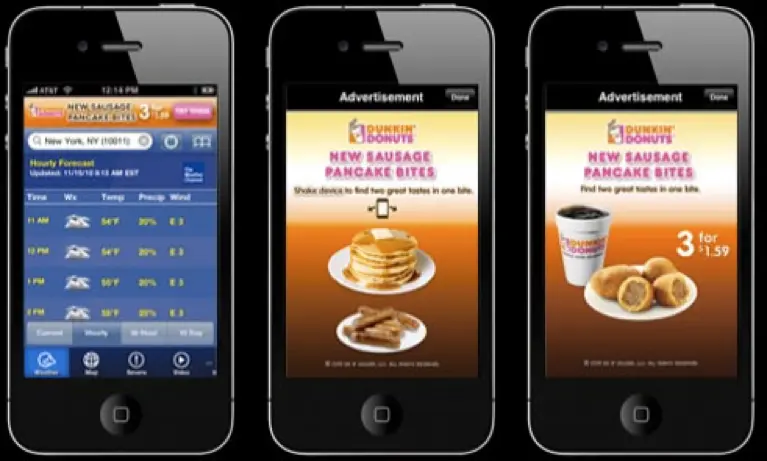
In-app campaigns often perform especially well for:
- Consumer apps
- Entertainment and media
- Retail and e-commerce
- Local services
They are a powerful way to reach potential customers directly in the environments where they already engage.
Digital Out-of-Home (DOOH) Ads
Digital out-of-home (DOOH) includes digital billboards, transit screens, and other digital signage in public spaces such as:
- Airports and train stations
- Shopping malls and retail centers
- Gas stations and convenience stores
- Gyms and elevators
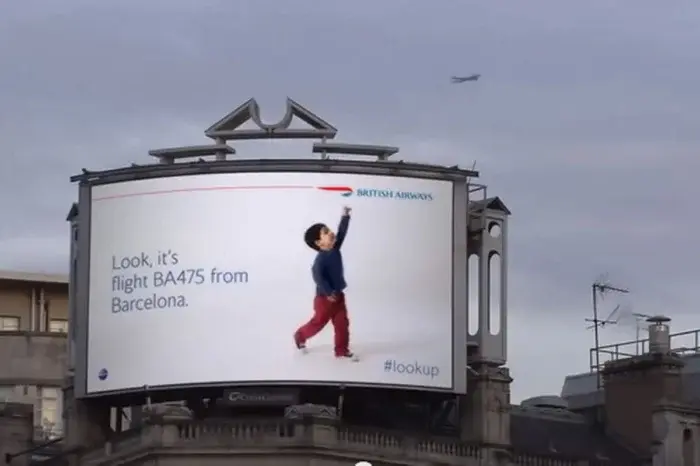
Unlike static billboards, DOOH ads are run via software, letting advertisers adjust content by time of day, location, or audience segments.
While DOOH does not provide click-level data, it can drive:
- Branded searches on a search engine
- Direct visits to stores or locations
- Increased top-of-mind brand awareness
DOOH becomes even more powerful when paired with mobile or geo-targeted digital marketing campaigns, creating a multi-touch experience across offline and online marketing channels.
Connected TV (CTV) and Over-the-Top (OTT) Advertising
Connected TV (CTV) and Over-the-Top (OTT) ads appear within streaming content on platforms such as:
- Hulu, Roku, and Amazon Fire TV
- YouTube TV and other live streaming services
- Apps on smart TVs and mobile devices
The distinction:
- CTV runs specifically on television screens.
- OTT can run on any connected device.

These ad types are ideal for reaching cord-cutters who have moved away from traditional cable, giving performance-minded advertisers more tracking and audience targeting than old-school TV could offer.
CTV and OTT are often used for:
- Brand launches and big awareness pushes
- Retargeting viewers who have already engaged with digital ads
- Reinforcing messages already delivered via search ads or social campaigns
Large Language Model (LLM) Ads
LLM ads are an emerging category of new ad formats appearing in large language model tools such as ChatGPT, Google Gemini, and similar AI assistants.
These experiments typically take the shape of:
- Sponsored response modules within AI-generated answers
- Product carousels when users ask for recommendations
- Paid slots for tools or services suggested during research queries
Because users often turn to AI tools early in their research and digital strategy planning, LLM ads can help brands appear when prospects are exploring valuable content, comparing services, or seeking ideas.
Unlike traditional keyword-based pay per click auctions, LLM placements tend to focus more on relevance, trustworthiness, and how closely a brand’s ad creative and content align with user intent.
Sponsorships and Advertorials
Sponsorships, advertorials (paid articles), and influencer marketing are some of the most prominent examples of native ads.
These formats blend promotional messaging into content that feels editorial or creator-driven, such as:
- Sponsored articles in business magazines
- Executive columns published through paid membership councils
- “Paid partnership” posts on Instagram or other social media platforms
- Long-form YouTube videos or podcasts featuring sponsors
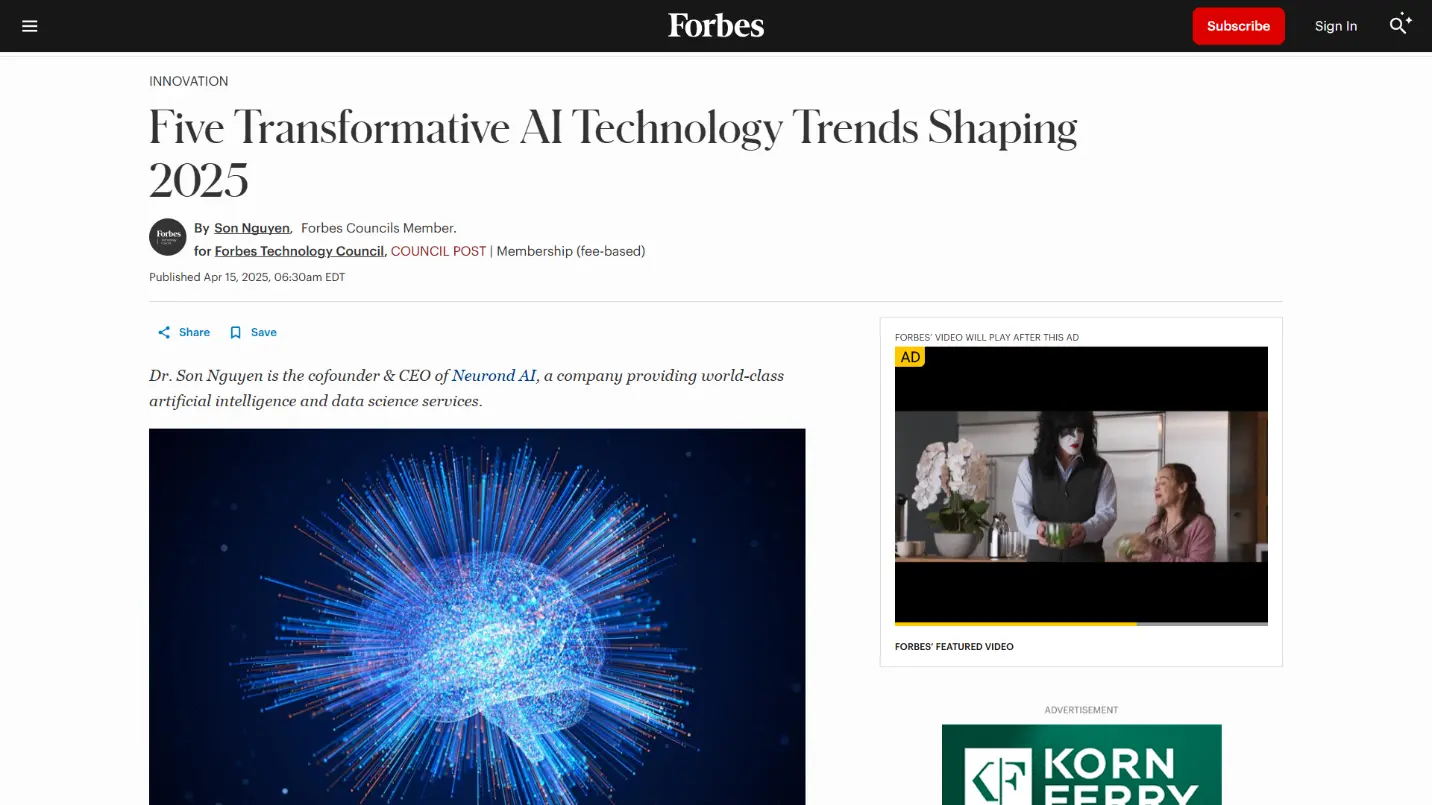
What makes these work is trust. When a message comes from a creator or publication that users already respect, it feels more authentic, leading to better campaign performance and often higher ROI.
Benefits of Paid Media as a Marketing Channel
Paid media offers several key advantages over relying solely on organic search or word-of-mouth.
More Control
Because you pay for placement, you maintain more control over:
- Where your ads appear
- Who sees them (via audience targeting)
- What the message and ad creative look like
By contrast, when you submit a press release or pitch editorial coverage, editors may modify or reject it to fit their publication’s tone and priorities.
Immediate Visibility
Search engine optimization (SEO) is invaluable but typically takes months to deliver full results. With paid ads, as soon as a campaign is live and your ad spend is approved, your brand can appear in front of potential customers who are actively searching or browsing relevant content.
Measurable Results
Digital media campaigns provide detailed analytics that show:
- Impressions and reach
- Click through rate (CTR)
- Cost per click (CPC) and other cost per metrics
- Conversions and revenue
This level of visibility allows you to fine-tune marketing efforts and improve your paid media strategy over time.
Precise Audience Targeting
Modern platforms allow you to:
- Include or exclude audiences by location, age, interests, and behaviors
- Target by job title in B2B campaigns (e.g., on LinkedIn ads)
- Use first party data (customer lists, CRM segments) to build lookalike audiences or run retargeting
Targeting allows you to tailor messaging and offers to segments most likely to convert, creating more qualified leads and better ROI.
Automation and Optimization
Platforms like Google Ads and social networks provide automation features:
- Automated bidding strategies
- Dynamic creative optimization
- Smart campaigns that adjust based on performance
You can be as hands-on or hands-off as needed, letting software handle some optimizations while your team focuses on strategy and creative.
Top 5 Paid Media Metrics for Success
There are dozens of metrics that can be tracked inside each ad account, but focusing on a core set of paid media KPIs helps you avoid getting lost in data.
Here are five essentials for most paid media campaigns:
ROAS (Return on Ad Spend)
ROAS measures how much revenue is generated for every dollar spent on ads. It is critical for judging the immediate effectiveness of a single paid or ad campaign or specific ad types. Cost per acquisition (CPA) measures the total cost of acquiring a new customer, indicating how much it costs to get a single customer down the sales funnel.
If ROAS drops, it may signal issues with:
- Targeting
- Creative and messaging
- Offer and pricing
- Landing page experience
- ROI (Return on Investment)
ROI takes a broader view by including all costs:
- Ad spend
- Creative production (design, copywriting, video)
- Tools and software
- Time spent managing and optimizing campaigns
Paid media without a positive ROI is simply spend, not investment. ROI helps decide whether to scale a campaign, hold steady, or pause.
CPC (Cost Per Click)
CPC measures the average amount you pay when someone clicks your ad. It’s useful for understanding how efficiently you are driving website traffic, but only in context with conversion rate and revenue. A low CPC is not helpful if the traffic does not convert or is not a good fit for your target audience.
Impressions
Impressions represent the total number of times your ads are shown. A high impression count indicates strong reach, which is valuable for brand awareness and top-of-funnel marketing campaigns. Impressions are defined as the total number of times your content was displayed, whether it was clicked on or not.
If impressions are low, you may need to:
- Adjust your targeting
- Increase bids or budget
- Consider broader specific keywords or audiences
- CTR (Click-Through Rate)
CTR is the percentage of people who see your ad and click on it. A higher CTR suggests:
- Strong relevance between your message and audience
- Effective ad creative and positioning
- Clear value propositions
Combined, these paid media KPIs offer a clear picture of your campaign performance and help you decide where to optimize, where to scale, and where to cut.
How to Create a High-ROI Paid Media Campaign: 7 Steps
Paid media can drive traffic, leads, and revenue but only when approached with a coherent paid media strategy. Jumping into spend without structure is one of the fastest ways to waste money.
A strong strategy should clearly define:
- Internal stakeholders involved
- Campaign objectives and marketing goals
- Audience characteristics
- Channel-specific budgets and ad spend
- Viable marketing channels and ad formats
- Products or services to promote
- Metrics for measuring success
Here is a seven-step framework that keeps your digital advertising focused and scalable.
1. Obtain Internal Stakeholder Buy-In
Getting buy-in is more than securing a budget line. Stakeholders should understand:
- What the media campaigns are trying to achieve
- Why these campaigns matter to broader business goals
- What each team member’s role will be
Core stakeholders often include:
- Marketing leadership (budget, channel mix, digital strategy)
- Creative teams (designing ad creative, copywriting, landing page development)
- Analytics and data teams (conversion tracking, attribution)
- Sales teams, when campaigns aim to influence pipeline
A short kickoff meeting, shared planning document, or clear communication channel (like Slack) can align everyone before launch and reduce surprises later.
2. Set Clear Goals and KPIs
Before choosing platforms or deciding on ad formats, define exactly what success looks like. Examples include:
- Lead generation
- Product sales or subscriptions
- Free trial signups
- App installs
- Event registrations
- Website traffic to a new landing page
- Increase brand awareness in a specific market
Make goals SMART: specific, measurable, attainable, relevant, and timely. For example:
- “Generate 250 demo requests this quarter at a cost per lead under 80 dollars”
- “Drive 1,000 free trial signups at a target cost per acquisition”
Once defined, align those goals with appropriate paid media KPIs such as ROAS, CTR, or conversion rate to monitor progress.
3. Determine Budget
Every paid media campaign requires a clear budget that accounts for more than just the visible ad spend. Consider:
- Required volume to hit your goals (e.g., 100 leads at 50 dollars each = 5,000 dollars minimum ad spend)
- Creative costs (copywriting, design, video production)
- Tracking, analytics, and A/B testing
- Agency or tool fees if applicable
Different platforms have different minimum spends and cost levels. For example:
- Facebook and Instagram are often flexible for smaller budgets.
- Competitive search engine marketing on Google may require higher bids to gain momentum.
- LinkedIn ads can be more expensive but attract specific job title and B2B audiences.
Avoid spreading budget too thin across too many marketing channels. It is usually better to fund a few focused campaigns sufficiently than to be everywhere with weak data.
Keeping a reserve for optimization is wise, as paid media campaigns often need adjustments in the early weeks.
4. Know Your Audience
Effective audience targeting starts with a detailed understanding of your ideal customer profile (ICP). Consider:
- Industry or niche
- Company size or household income
- Seniority and job title
- Geographic location
- Pain points, goals, and buying triggers
- Platforms they use most frequently
- What influences their decisions
This knowledge affects:
- Which marketing channels you choose
- How you write and design ad creative
- What offers are presented at each stage of the marketing funnel
- How you build retargeting segments and nurture flows
The aim is to reach the right target customers at the right time with messaging that moves them to action.
5. Choose Channels
Not every channel will serve every goal equally well. Consider:
- Use search engine advertising when users are actively searching for solutions. This works best with high-intent specific keywords and search terms.
- Use social media advertising (Facebook, Instagram, TikTok, LinkedIn ads) to generate demand, build brand awareness, and reach new audiences even when they are not actively searching.
- Use display advertising and retargeting to remain visible to people who have visited your website or interacted with your content, nudging them further down the sales funnel.
Assess where competitors are advertising as well. Public tools and search queries can reveal which ad formats and channels they rely on, offering clues to what might also work for your brand.
For smaller budgets, focus on one or two channels where your target audience is most active. Once a message and offer are proven, expand into more platforms and media types.
6. Create Compelling Creative
Strong ad creative is essential for standing out and driving ad click engagement. Key principles include:
- Do not be afraid to be bold: attention is scarce, especially in crowded feeds.
- Keep copy clear, concise, and benefit-oriented.
- Use UGC, testimonials, and case studies to show social proof.
- In Google Ads, take advantage of ad extensions and assets to provide more context at no extra ad spend.
- Launch with multiple variants to test headlines, visuals, and calls to action.
Crafting strong ad copy includes highlighting product benefits and including a clear call-to-action.
Ensure creative aligns with the stage of the marketing funnel:
- Top-of-funnel: quizzes, guides, and educational valuable content to build interest.
- Mid-funnel: webinars, case studies, and deeper product information.
- Bottom-of-funnel: discounts, trials, and direct purchase incentives.
Avoid relying on a single ad per campaign. Rotating multiple versions helps fight ad fatigue and surfaces high performers quickly.
7. Optimize Your Campaigns
Paid media is never “set and forget.” Ongoing optimization is where most gains are made.
Monitor campaigns regularly—at least weekly, and daily for high-spend or short-term initiatives. Look for:
- Ads with many clicks but few conversions: refine or pause them.
- Campaigns spending heavily without return: reallocate the budget.
- Geo, audience, or placement segments that outperform: invest more there.
- Trends in cost per result and click through rate as early indicators of performance shifts.
Engagement is an important paid media KPI that must be monitored during and after a campaign, reflecting how consumers interact with a brand.
Optimization extends beyond ads to:
- Audience definitions and exclusions
- Bidding strategies
- Landing page design and messaging
- Device and placement settings
- Overall campaign structure
Document what you test and the results so that each round of optimization makes the overall paid media strategy stronger. A/B testing is a core practice for optimizing ad creative, targeting options, and bidding strategies.
Should You Focus on One or All Channels?
Many marketers assume success requires being present on every platform at once. In reality, that is only practical when you have:
- Sufficient budget to generate meaningful data across channels
- A team capable of producing diverse ad formats and ad creative
- Robust analytics to tie everything together
For most brands, especially those new to paid media, it is better to focus. Start with one or two key channels where your target audience is most active (for example, Google Ads for high-intent searchers or Facebook for broad brand awareness). Use early campaigns to learn which messages, offers, and media types resonate.
Once you have a proven combination of channel, audience, offer, and creative, then it makes sense to expand into additional platforms, repurpose assets, and build out a true omnichannel digital marketing strategy.
Omnichannel paid marketing works best when supported by strong owned media, healthy earned media, and clear processes, not when it’s a collection of unconnected campaigns.
FAQs
What is paid media?
Paid media refers to any marketing or advertising content a brand pays to place on a third-party platform. Examples include:
- Search ads and paid search campaigns on search engines
- Social media ads on platforms like Facebook, Instagram, TikTok, and LinkedIn ads
- Display advertising and banner units on websites and apps
- Video advertising on YouTube, streaming platforms, and CTV
- Sponsored content, advertorials, and influencer partnerships
- Traditional placements such as radio, TV, and print
Paid media is used to increase brand awareness, reach new target customers, and quickly generate website traffic and leads, especially when combined with strong owned media and earned media.
How often should you evaluate your paid media budget?
Most brands should review ad spend and performance at least weekly. This cadence allows time to monitor whether campaigns are hitting paid media KPIs, catch problems early (for example, high cost per result or low conversion), adjust bids, budgets, and ad formats as needed
For high-investment or short-term paid media campaigns, daily checks are recommended. Broader monthly or quarterly reviews are useful for shifting budget between marketing channels, planning new initiatives, and aligning spend with business goals.
What’s the difference between earned media and paid media?
Paid media brings immediate visibility and reach, while earned media builds long-term trust and authority. The most effective digital marketing programs use both, supported by strong owned media to convert the attention into results.
Conclusion
Many marketers treat paid media like throwing money at a wall and hoping something sticks. That approach is expensive and unsustainable.
The brands that consistently win with paid media campaigns treat them like a system. They:
- Start with clear marketing goals and target audience definitions.
- Focus first on one or two core marketing channels such as Google Ads or Facebook.
- Invest in strong ad creative and landing page experiences.
- Track essential paid media KPIs like ROAS, CPC, and CTR.
- Test relentlessly and are unafraid to pause ad types or campaigns that don’t perform.
If you’re just getting started, choose the platform where your target customers are most engaged and set a budget you can afford to treat as a learning investment. Run multiple creative variants, test different specific keywords and audiences, and continually refine your digital marketing strategy based on real data.
Done well, paid media becomes more than just another line item. It evolves into a predictable, scalable growth engine that complements SEO, content, and other marketing efforts turning consistent ad spend into lasting revenue and a stronger, more visible brand.